
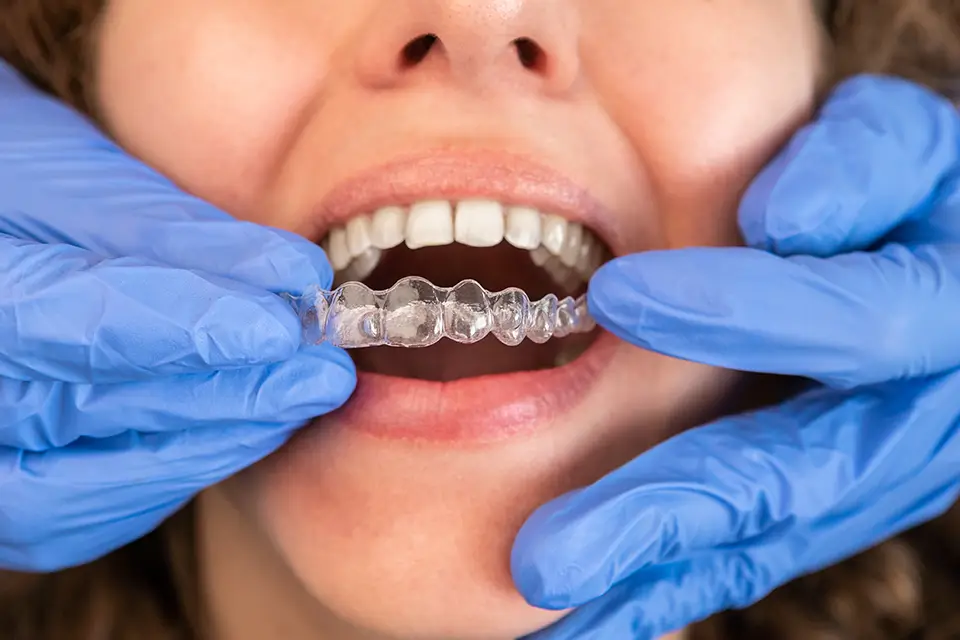
An aligner problem never seems to happen at a convenient time. One cracked tray, a rough edge that’s cutting your cheek, or an aligner that suddenly won’t seat fully can make you feel like your treatment is about to derail. If you’re searching for emergency Invisalign repair Toronto effects, you’re likely trying to answer two urgent questions: “What should I do right now?” and “Will this mess up my progress?”
At Dental Land in Summerhill, Ontario, we see these situations often—especially with busy schedules, travel, and the normal wear-and-tear that comes with daily use. This guide explains emergency Invisalign repair Toronto effects in a calm, practical way: what counts as an aligner emergency, safe at-home steps, when to call a dental team, what to avoid, and how to protect your timeline until you can be seen.
What Counts As An "Emergency" With Clear Aligners?
Not every issue requires the same-day care, but some problems shouldn’t be ignored. The goal is to prevent discomfort, protect your teeth and gums, and avoid losing treatment time.
Common situations that may justify an urgent check:
- A cracked aligner with sharp edges, causing sores or bleeding
- An aligner that no longer fits after being left out, warped by heat, or chewed
- A missing aligner when you’re mid-stage and unsure whether to move forward
- A loose attachment that’s rubbing or making the tray unstable
- Significant pain or a bite that suddenly feels “off” after changing trays
When people look up emergency Invisalign repair Toronto effects, they usually need quick triage—what’s safe now, and what needs professional attention soon.
Emergency Invisalign Repair Toronto Effects: What Happens If You Stop Wearing Aligners
Clear aligners work because they apply steady, controlled pressure. If you stop wearing them for more than a short period, teeth can begin drifting back toward their previous position. That’s one of the most important aspects to understand: even a few days without the correct tray can make the next step hard to seat, which can increase discomfort and slow progress.
If your tray is broken or lost, your immediate goal is usually one of these:
- Keep wearing the current aligner if it’s still safe and fits well
- Step back to the previous aligner if you still have it, and it seats comfortably
- Contact your dental team quickly to confirm the safest next step
The right choice depends on where you are in your plan, how long you’ve worn the current aligner, and whether attachments are involved.
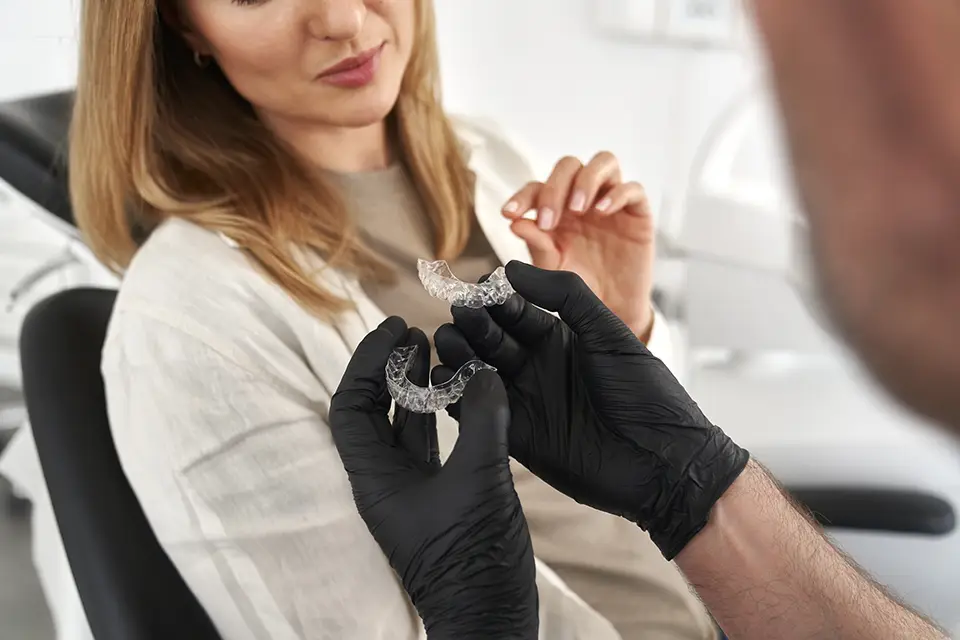
What To Do Right Now If Your Aligner Cracks Or Has A Sharp Edge
If the aligner still fits and the crack is minor, your main concern is soft-tissue injury. Rough edges can irritate the cheeks, tongue, or gums—especially overnight.
Practical steps that are usually safe:
- Rinse the aligner and inspect it under good light
- If there’s a sharp edge, smooth it gently with a clean nail file or emery board (light pressure only)
- Use orthodontic wax on the rough spot if it’s still irritating
- Continue wearing the aligner if it seats fully and doesn’t flex excessively
If the tray is splitting in half, snapping when you insert it, or no longer holds its shape, that changes the picture. At that point, the tray may not be applying a predictable force, and you should contact your dental team.
Emergency Invisalign Repair Toronto Effects: What To Do If An Aligner Won't Fit
An aligner that suddenly won’t seat can happen for a few reasons: teeth have shifted due to missed wear time, the tray warped from heat (hot water, dashboard, dishwasher), or an attachment changed.
Here’s a safe approach:
- Try seating it slowly using even pressure, not “snapping” it in
- Use chewies if you were instructed to use them, focusing on the areas that don’t seat
- If it won’t seat after a few careful attempts, stop forcing it
Forcing a tray can irritate gums, stress attachments, or create uneven pressure. If you’re seeing this kind of issue, it’s a common trigger for searches like emergency Invisalign repair Toronto effects, because the worry is real: pushing through pain isn’t the same as making progress.
Lost Aligners: The Most Common Emergency Scenario
Losing a tray is stressful, but it’s manageable if you respond quickly. What matters most is limiting tooth movement in the wrong direction while you wait for guidance.
Typical options your dental team may recommend (depending on your case):
- Wear your previous aligner to hold position
- Stay in your current aligner longer if you still have it
- Move forward to the next aligner only if instructed, and it fits properly
If you’re unsure, the safest “default” is usually returning to the last aligner that fits fully and comfortably until you can speak with the clinic. This helps reduce the effects that come from teeth shifting unpredictably.
Attachments, Buttons, And Elastics: What Changes When They're Involved
Attachments (the small tooth-coloured shapes) and buttons (for elastics) add complexity. If one comes off, your aligner may feel loose, rotate, or stop tracking properly.
If an attachment comes off:
- Don’t attempt to glue it back
- Keep wearing the aligner if it fits and isn’t causing pain
- Call the clinic to ask whether you need a re-bond appointment
If you wear elastics and a button comes loose, stop the elastic on that side and call the clinic. Continuing elastics with a missing anchor can pull forces unevenly, which is a meaningful part of emergency Invisalign repair Toronto effects that people don’t always realize.
What NOT To Do During An Aligner Emergency
Some at-home “hacks” can create bigger problems. These are common mistakes to avoid:
- Don’t use boiling water to reshape a tray
- Don’t superglue cracks or broken sections (chemicals and sharp edges are risks)
- Don’t cut large sections of the aligner to “make it comfortable”
- Don’t skip trays or jump forward without guidance
- Don’t stop wearing aligners entirely unless you’re instructed to
If the tray is irritating, manage the edge safely and keep your teeth stabilized while you arrange proper help. That’s the most reliable way to limit negative effects.
Why Dental Land In Summerhill Helps Patients Stay On Track
When you’re dealing with aligner issues, you don’t want vague reassurance—you want a clear plan. At Dental Land in Summerhill, Ontario, the focus is on stabilizing your treatment and protecting your comfort.
That typically means:
- Confirming whether you should stay in your current tray or step back
- Checking fit (“tracking”) and looking for the reason the aligner failed
- Addressing sharp edges, irritation, or ulcer risks
- Re-bonding attachments if needed
- Giving practical instructions so that the same problem is less likely to repeat
This approach helps reduce the real-world emergency Invisalign repair Toronto effects patients fear most: lost time, unnecessary pain, and uncertainty.
Conclusion
Aligner emergencies are frustrating, but they’re rarely the end of your treatment. The key is responding early and making choices that keep your teeth stable. Emergency Invisalign repair Toronto effects are usually manageable when you avoid forcing trays, keep wearing a safe aligner that fits, and contact your dental team for guidance on whether to step back, stay put, or replace a tray.
If you’re dealing with a cracked aligner, a tray that won’t seat, a lost aligner, or a loose attachment, reach out to Dental Land in Summerhill, Ontario. We can help you understand what’s happening, reduce discomfort, and keep your plan moving in the right direction—without guesswork or panic.
FAQs — Emergency Invisalign Repair Toronto Effects
How urgent is a cracked aligner if it still fits?
If it fits fully and doesn’t cut your mouth, it may not be an immediate emergency. If it’s sharp, splitting, or flexing so it won’t hold shape, contact a clinic because the forces may become unpredictable.
What should I do if I lost my aligner and I'm due to change trays soon?
In many cases, wearing the previous aligner that fits is safer than leaving teeth unsupported. Your dental team should confirm whether to stay back, stay put, or move forward.
Can I keep wearing a tray that's rough and irritating my cheek?
Often, yes, if you can smooth the edge gently and protect the area with orthodontic wax. If sores are worsening or bleeding persists, you should be assessed.