
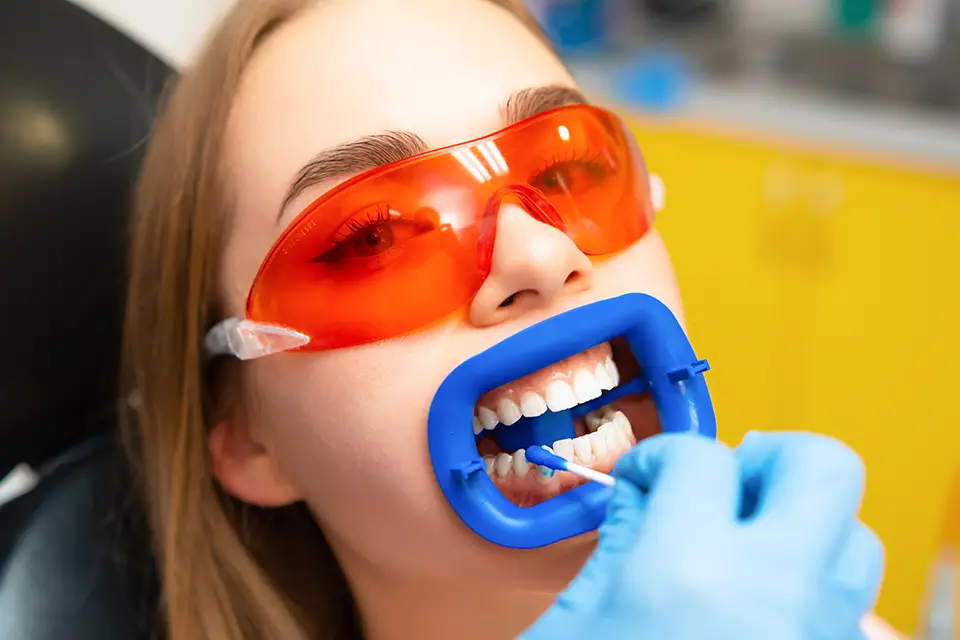
A brighter smile can boost confidence—but every treatment has trade-offs. Understanding teeth whitening side effects helps you choose a safe plan, avoid avoidable discomfort, and keep results lasting longer. At Dental Land in Summerhill, Ontario, we explain teeth whitening side effects in plain language: what typically happens, how long it lasts, and the simple steps that minimize risk before, during, and after treatment. If you’ve been searching for teeth whitening Toronto advice and found either hype or horror stories, this is the practical middle ground—specifics, timelines, and comfort strategies tailored to real people, not perfect scenarios.
Teeth Whitening Side Effects: The Short Version (What Most People Feel)
For healthy teeth and gums, side effects are usually mild and temporary. The most common include brief temperature sensitivity, gum irritation if gel touches soft tissue, and transient “zings” after in-office sessions. These effects tend to fade within 24–72 hours when you follow instructions and use desensitizing products. Knowing this baseline removes a lot of anxiety before you start.
How Whitening Works—and Why Sensitivity Happens
Whitening gels (usually peroxide-based) pass through enamel and break apart deep pigments inside the tooth. That same movement can briefly excite fluid in tiny channels (tubules), which the nerves feel as sensitivity. Good protocols control exposure time, keep saliva and soft tissues isolated, and pair whitening with a remineralizing routine. That’s why professional guidance matters as much as the brand on the box when you’re weighing teeth whitening side effects.
Also Read: Zoom Teeth Whitening Toronto: Your Guide to Fast, Even Brightening
Teeth Whitening Side Effects: The Most Common (and Easy Fixes)
A few targeted habits reduce risk and make treatment smoother.
- Temperature Sensitivity (Cold or Air):
- What it feels like: Short “twinges,” especially with cold water or outdoor air.
- What helps: Use a potassium nitrate/fluoride toothpaste for 1–2 weeks before and after; pause for a day between home-tray sessions.
- Gum Irritation or Whitening of the Gums:
- What it looks like: Temporary blanching or tenderness where gel overflow touched tissue.
- What helps: Smaller gel dots in trays; wipe excess immediately; in-office isolation barriers prevent contact.
- Edge “Zings” After In-Office Sessions:
- Why it happens: Rapid shade lift and dehydration amplify nerve response for a day.
- What helps: Shorter activation cycles, desensitizing varnish, and lukewarm drinks for 48 hours.
- Dry Mouth or Thirst:
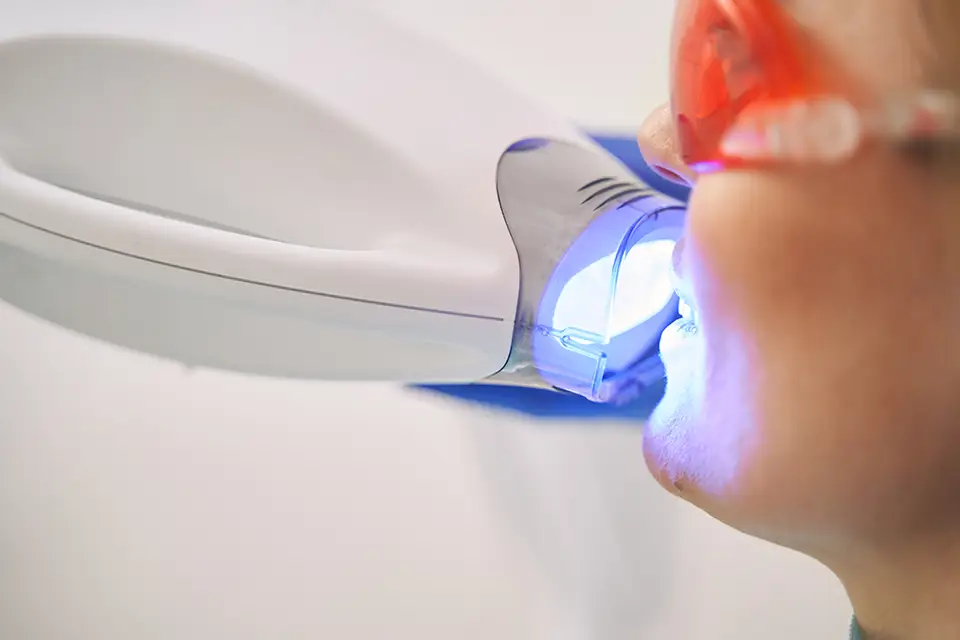
- Cause: Mouth open for prolonged periods, especially during light-activated sessions.
- Fix: Hydrate before and after; consider saliva-support lozenges if you’re prone to dryness.
These small adjustments keep teeth whitening side effects predictable and brief.
Less Common Teeth Whitening Side Effects (When to Call Us)
Most patients never experience these, but it’s useful to know the signs.
- Prolonged Throbbing (Beyond 72 Hours): Could mean a very deep cavity or crack was irritated; stop whitening and book an exam.
- Sharp Pain Localized to One Tooth: May signal exposed root surfaces, a leaking filling, or micro-cracks; we can protect or treat before continuing.
- Patchy or Uneven Colour That Persists: Often due to plaque, calculus, or dehydrated enamel; a professional cleaning and timing adjustments usually resolve it.
The rule of thumb: if a side effect doesn’t start improving within two days, let us check it—early tweaks prevent bigger problems.
Pre-Whitening Check: The Best Insurance Against Side Effects
A short appointment solves most of what later becomes “bad luck.” We look for decay, leaky fillings, recession, or heavy tartar—any of which can exaggerate teeth whitening side effects. We’ll recommend a cleaning first if needed, patch sensitive areas with protective agents, and set a personalized schedule (strength and duration) that fits your enamel and lifestyle.
Home vs. In-Office: Side-Effect Profiles Compared
Both routes work; their comfort curves are just different.
- Custom Take-Home Trays: Lower concentration over more days equals gentler changes. You control pace—ideal if sensitivity is your main worry.
- In-Office Whitening: Bigger lift in one visit with professionally controlled isolation and desensitizers. Some people feel short-lived “zings” in the first 24–48 hours.
If you’re sensitive, we often start with trays and finish with a brief in-office boost. That hybrid plan balances speed, control, and minimal teeth whitening side effects.
Also Read: Discover the Best Teeth Whitening Methods for a Brighter Smile
Teeth Whitening Side Effects: A 48-Hour Aftercare Plan
Follow this simple plan to keep comfort high and shade stable.
- The “White Diet” for 1–2 Days: Choose light-coloured foods (rice, yogurt, pasta) while enamel rehydrates.
- Rinse, Then Brush: After coffee or tea, rinse with water first; brush gently later to avoid abrasive wear.
- Use a Desensitizing Toothpaste Twice Daily: Keep it up for a week post-treatment.
- Room-Temperature Drinks: Skip ice for two days to reduce twinges.
- Skip Smoking and Tannins (Temporarily): They stain faster when enamel is dehydrated.
Sticking to this routine makes teeth whitening side effects shorter and your results more even.
Costs, Timelines, and Expectations (They Vary by Factors)
Whitening is usually fast to implement: take-home trays start the same week; in-office sessions take 60–90 minutes. Most people notice immediate change, with true shade settling after 48 hours. Maintenance every few months (1–2 nights in trays) extends brightness and minimizes repeat chair time. We’ll give you a written plan that lists shade goals, session counts, and the comfort steps needed to keep teeth whitening side effects to a minimum. No guarantees—habits and enamel thickness matter—but staging keeps outcomes predictable.
Special Situations: Fillings, Bonding, and Gum Recession
Restorations don’t bleach, so existing bonding or crowns may look darker after whitening. The fix is simple: whiten first, then refresh visible restorations to match the new shade. If you have recession (exposed roots), we’ll protect those areas and adjust your schedule. Clear planning up front prevents surprise mismatches and reduces teeth whitening side effects from sensitive root surfaces.
Local Advantage: Dental Land in Summerhill
We customize protocols to your enamel, not just your calendar. That means baseline photos under consistent lighting, careful isolation during in-office care, and desensitizing products built into your plan. Mid-treatment check-ins keep shade lift on track and teeth whitening side effects low—so you finish with a brighter smile that still looks natural in daylight.
Conclusion
Whitening should feel like a well-managed upgrade, not a gamble. With a short pre-check, a right-sized protocol, and 48 hours of simple aftercare, most teeth whitening side effects stay mild, brief, and entirely manageable. Ready to plan a brighter smile with fewer surprises? Book a consult at Dental Land in Summerhill, Ontario. We’ll map your baseline shade, choose the gentlest effective route, and set you up with a maintenance rhythm that keeps your results—and comfort—steady all year.
FAQs — Teeth Whitening Side Effects
Will whitening damage my enamel?
No, when used correctly. Professional gels are designed to lift internal pigments without thinning enamel. We pair treatment with remineralizing products to keep teeth whitening side effects minimal and enamel strong.
How long will sensitivity last?
Most sensitivity fades within 24–72 hours. Using a desensitizing toothpaste before and after treatment, along with a temporary “white diet,” shortens both intensity and duration of teeth whitening side effects.
Why did my gums turn white for a few minutes?
That blanching is usually a brief contact with gel. It looks dramatic, but it typically resolves quickly. We adjust tray loading and, in-office, use barriers so gel stays exactly where it should—reducing future teeth whitening side effects.
Can I whiten if I have fillings or bonding on front teeth?
Yes, but resin won’t lighten. We whiten first, then refresh visible bonding to match your new shade for a seamless look.